

FCL vs LCL shipping from China
Before asking which option costs less, find out what the factory will actually hand over. Six pallets of stackable cartons and six pallets of fragile finished goods can occupy the same measured volume but need different handling arrangements.
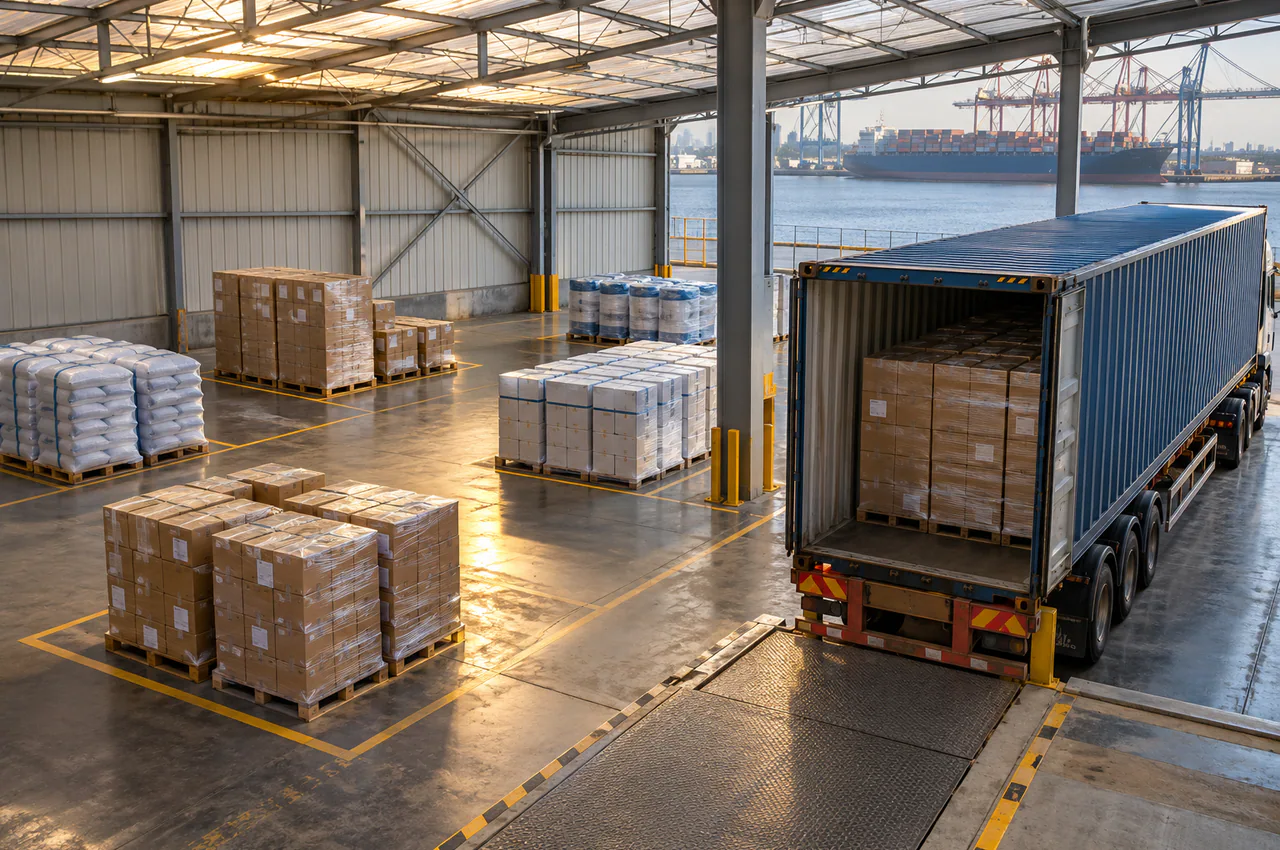 AI-generated illustration
Build a picture of the packed load
Ask for the count, outside dimensions and gross weight of each type of package. Include the pallet, wrapping and anything that projects beyond the base. If cartons will be palletised, use the finished pallet measurements for that comparison.
For identical units, multiply packed length by width by height in metres, then multiply by the unit count. Repeat for each package type. Keep the dimensions of the longest, tallest and heaviest pieces alongside the total volume. Keep each piece’s measurements for the handling check. Use the CBM calculator to total several package sizes.
Compare the two handling arrangements
Full container load (FCL) gives the shipment dedicated container space. Less than container load (LCL) uses space shared with other consignments. The number of suppliers is a separate question. Goods from several factories can travel together under either arrangement once the collection and receiving plan is agreed.
| Ask about | FCL | LCL |
|---|---|---|
| Loading | Where can the container be positioned and who will load it? | Which receiving point will take the packed units, and when? |
| Handling limits | How will the units fit through the door and occupy the available space? | Can the receiving facility accept the unit size, weight and stacking limits? |
| Collection at destination | Who will collect the container and arrange its return? | Where and by whom can the individual consignment be collected? |
Request both prices on one shipment brief
Give both providers the same packed list, cargo-ready location, expected release date and requested destination. Name the point where you want the quote to start and the place where the receiver will take over. If the options use different receiving points, ask for the difference in local transport and handling to be itemised.
Ask for the equipment type behind the FCL price and the charging basis behind the LCL price. Record any minimum charge or separate handling item shown on the offer. With those items visible, the buyer can compare total quoted cost and decide whether a dedicated container is worth requesting.
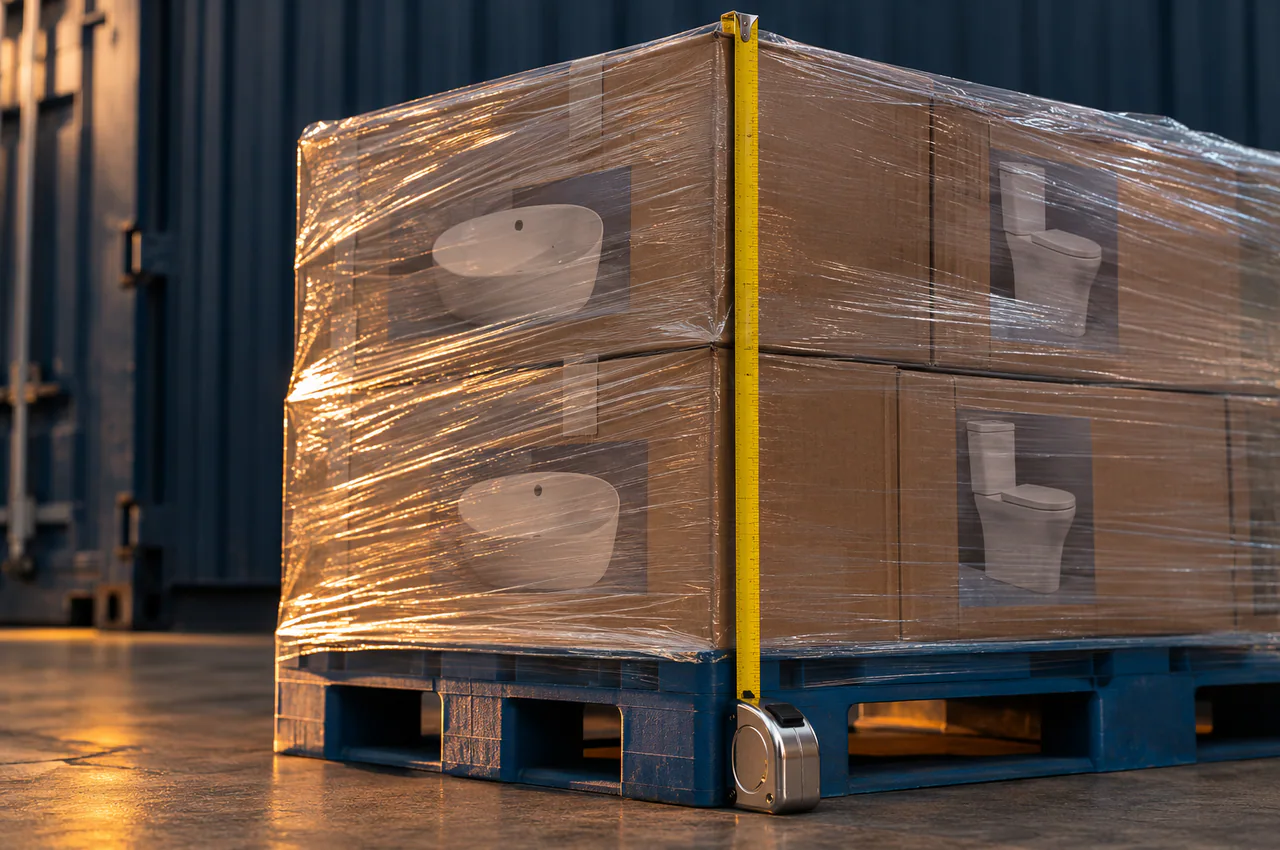
Worked example with six pallets of display fittings
Six identical pallets, each 1.2 × 1.0 × 1.25 m, total 9 m³. At 350 kg gross per pallet, the shipment weighs 2,100 kg. If the supplier says the fittings cannot be stacked, include that restriction with both requests. The volume calculation is useful for pricing, while the supplier’s restriction still needs a response from each provider.
For those six pallets, ask the LCL team whether the non-stackable pieces can share space and how handling is priced. Ask for an FCL alternative using the same pickup and handover points, with the container type and loading costs identified.