At origin
Ask the supplier who will provide the commercial invoice and packing list, and who is arranging the export declaration. For several suppliers, identify a document contact for each order.

 Get a Quote
A broker may have your invoice and still need to know what the goods are made of or how they will be used. Connect each product line to a supplier who can answer before the cargo leaves China.

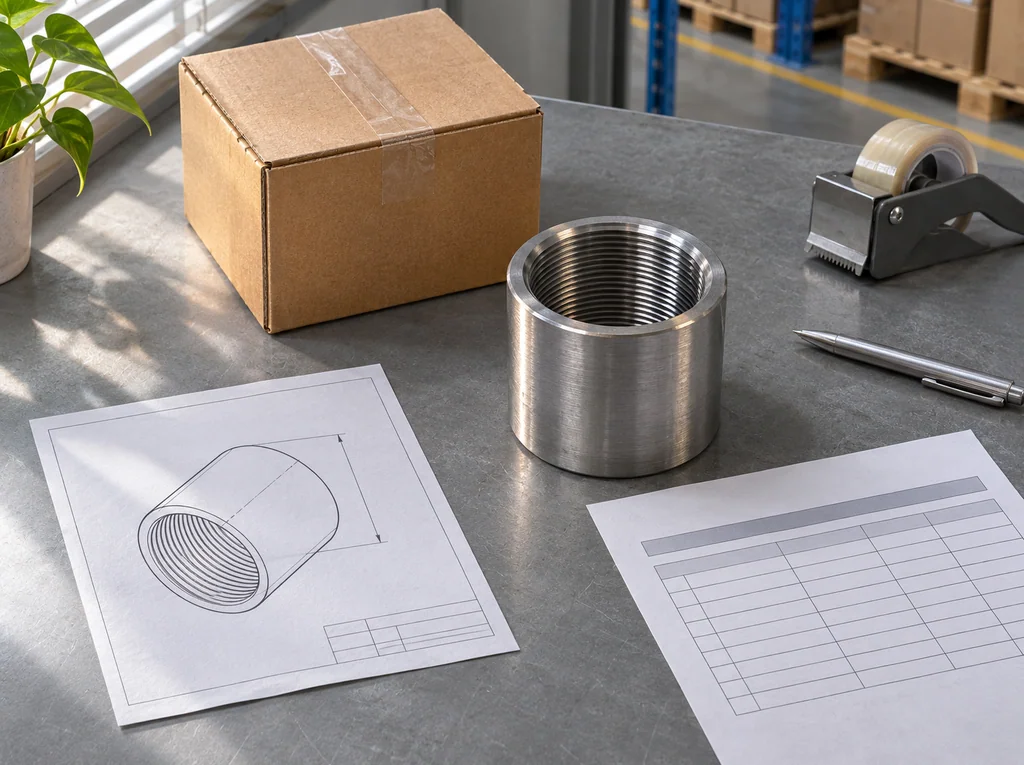

“Spare parts” gives little detail about the contents of a carton. “Stainless-steel replacement hinges for cabinet doors” tells the broker what the item is, what it is made of and what it does. Include the supplier’s item reference so a follow-up question reaches the right person.
Use a plain-language description with the material and intended use. Keep the supplier’s item reference alongside it so the broker can trace a question back to the right line.
Match the invoice quantities to the packed goods. Check how individual pieces are grouped into cartons or pallets, and explain any difference before the documents go to the broker.
Give the appointed broker a contact for product questions and ask which additional documents are needed for this commodity and destination.
Imagine an importer ordering brass pipe tees from one factory and threaded elbows from another. Both invoices say “fittings”. The buyer asks each supplier to identify the part, material and carton quantities, then sends the revised records to its broker while the factory contacts are still available.
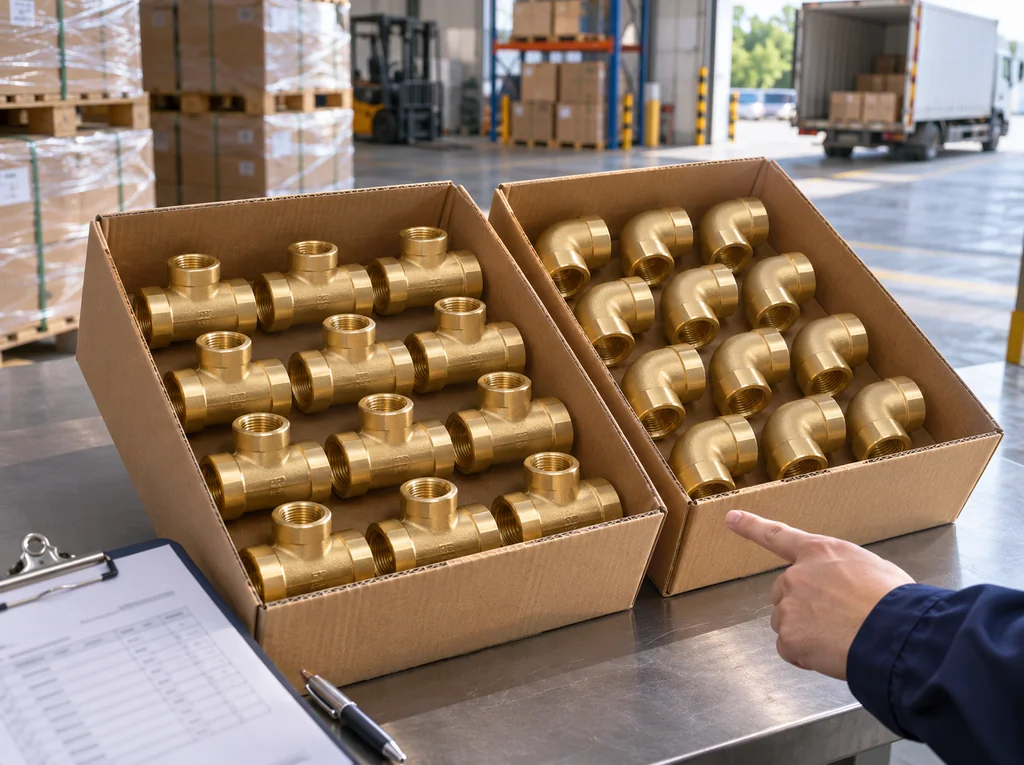
Different units can describe the same goods. Ask the supplier to show how many pieces are in each carton so your broker can reconcile the two documents.
Check that separately with the consignee and its appointed broker. Give them the destination and intended handover point before the cargo moves.