At the supplier
Check the collection address, ready date and loading access. If the supplier can deliver to a designated receiving point in China, ask for that alternative to be priced separately.

 Get a Quote
Define the pickup point the truck can reach in China and the place your consignee can accept the load. Then agree who handles the ocean leg, import release, final appointment and unloading.
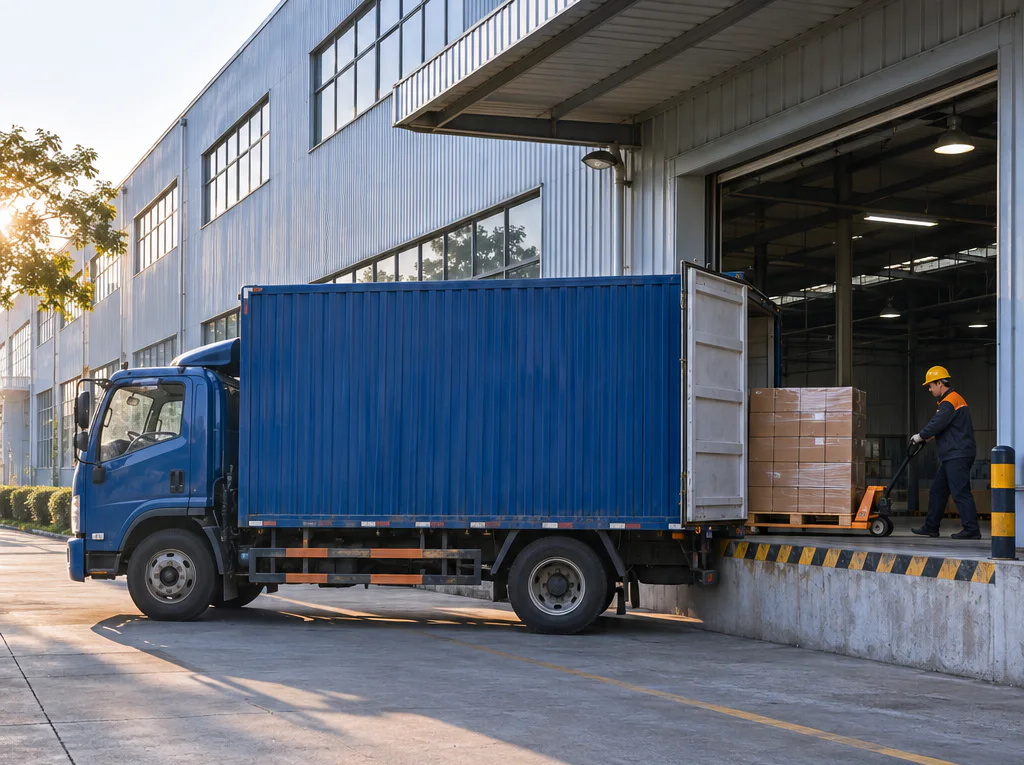

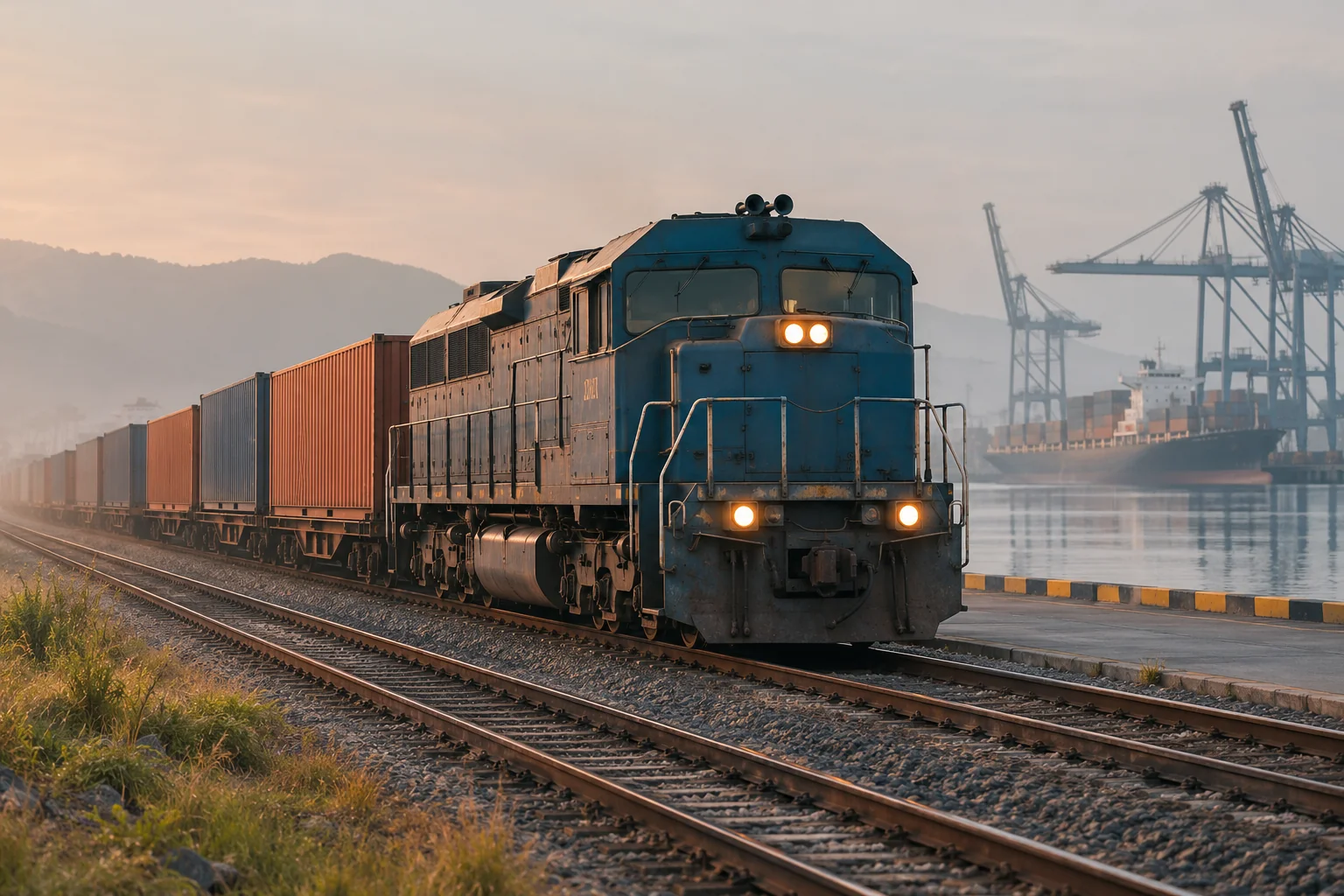
A postcode gets the quotation started. For the final truck, ask about vehicle access, which entrance takes freight, and whether the load needs a dock or a tail lift. Document the party arranging that leg and the charges for any waiting or second delivery attempt.
List collection, the international journey and the final delivery. Mark any leg already booked by your supplier or destination partner.
Identify the importer, customs broker and party paying duties and taxes. The delivery address alone does not establish who pays these costs.
Ask who will book the final appointment and how the consignee will receive the cargo. Check who will handle unloading and any additional waiting time.
Suppose a supplier can load pallets at its factory dock on Thursday. The buyer’s invoice lists the trade park’s main entrance, where delivery trucks cannot stop. The consignee supplies the goods-in gate and a morning slot. Both addresses and the import arrangements can now be checked against the freight quotation.

It describes the transport endpoints. The sale terms and written quotation should set out who handles import clearance, pays import charges and receives the goods.
Plan the transfer with your local carrier before departure. Give it the agreed port, cargo details and expected release arrangements so that it can quote the onward movement.