One piece sets the limit
The overall shipment weight can hide a single very long, tall or heavy piece. Identify that piece and give its packed dimensions, weight and required orientation.

 Get a Quote
A single indivisible load or a narrow receiving window can make scheduled capacity a poor fit. Share the load profile and timing so a dedicated aircraft option can be assessed against the alternatives.

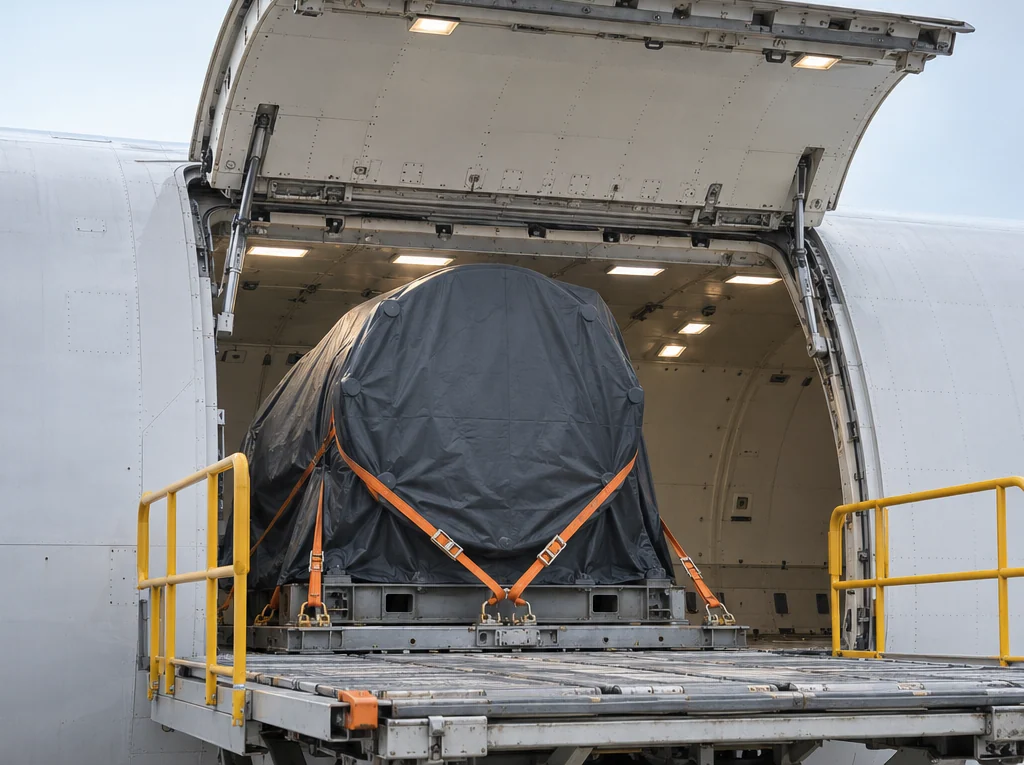

An operator needs to understand how the largest packed item will enter the aircraft. Give its external dimensions, weight and permitted orientation, along with any available drawings. Those details help establish which aircraft and handling arrangements can be considered at the proposed airports.
Show each package type, the number of pieces and their packed measurements. Mark any item that must stay upright or in one piece.
Give the collection point, requested destination and latest useful arrival. Identify any flexibility in the dates or airports.
An aircraft operator needs to review the load and available aircraft. Check the proposed airports, ground handling and final handover before making commitments to the receiver.
Suppose a manufacturer needs a replacement assembly moved in one piece. The supplier gives the packed height and identifies the side that must remain upright. The buyer offers two possible arrival airports. The charter brief can then compare aircraft fit, handling at each airport and transfer to the plant.
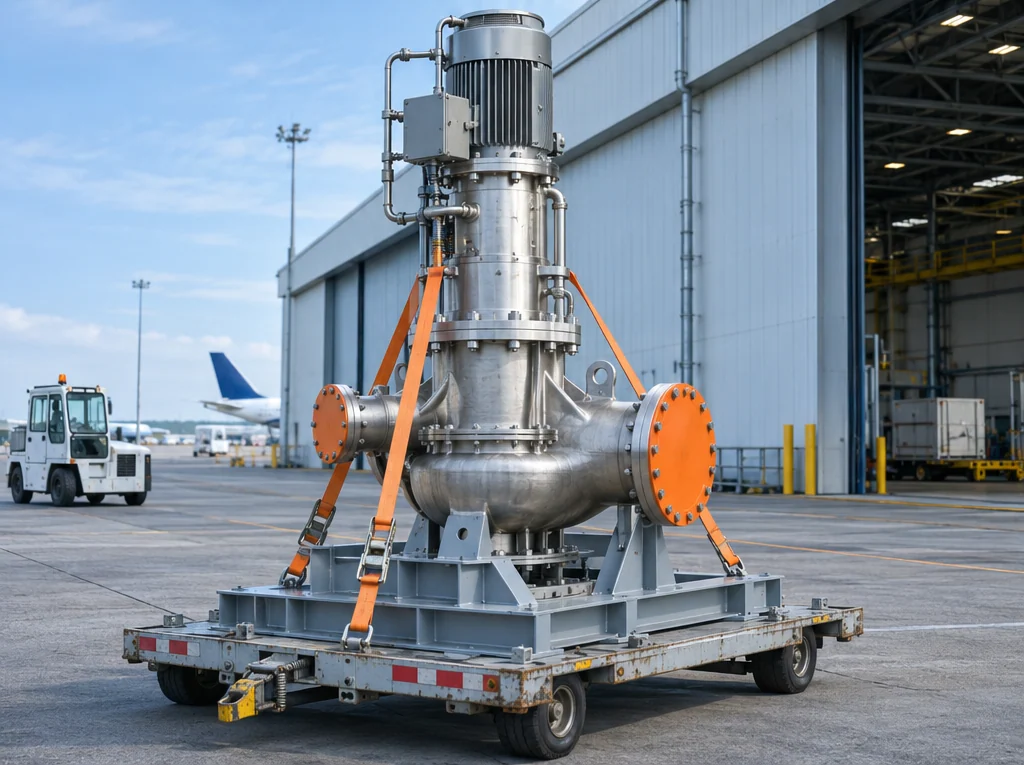
The operator needs the packed dimensions and handling restrictions to assess fit. Include whether packaging or orientation can change before comparing options.
Identify who will receive the cargo at the airport and who will arrange the onward leg. Put the delivery address and deadline in the brief if the job site is the required endpoint.