Still building the inbound plan
Start with the marketplace, supplier cities and expected carton count. You can discuss the China-origin sea leg while the final receiving location is being set.

 Get a Quote
Shipping stock to Amazon starts at the packing bench. Match each supplier’s cartons to your inbound plan, then agree who takes them from the destination port to each assigned fulfillment center.
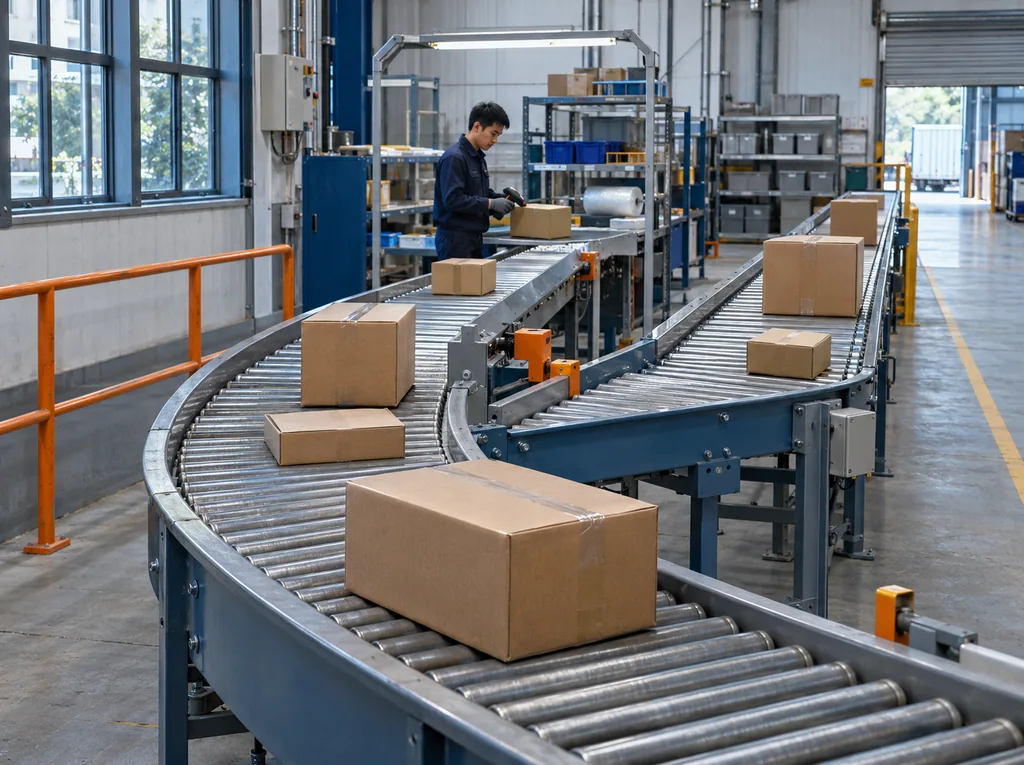
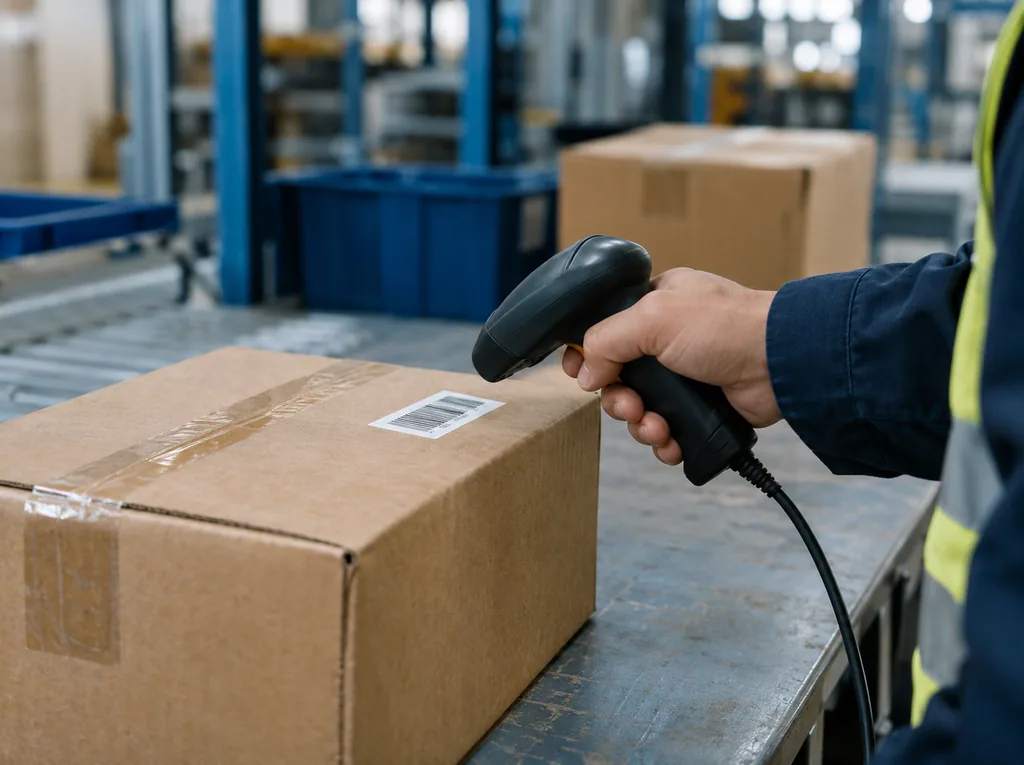
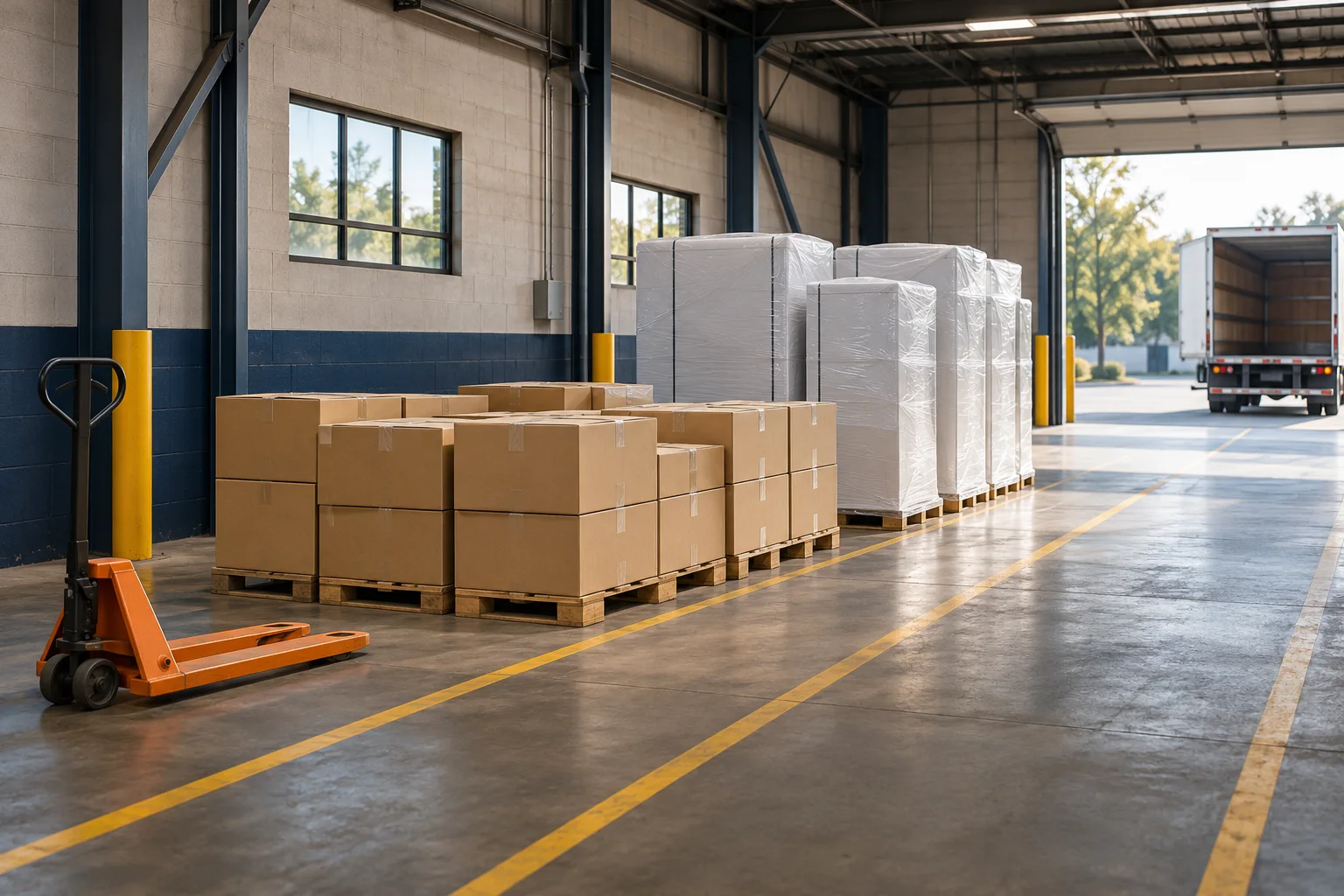
Give the packer the box contents and labels for the current shipment. Two cartons can hold the same item and still belong to different inbound shipments. Keep their references legible when cartons are wrapped or grouped on a pallet.
Match the units packed by each supplier to the inventory selected in Send to Amazon. Record the count, gross weight and dimensions of the packed cartons.
Follow the current marketplace instructions for labels and packing. If cartons will leave China together, keep each shipment group identifiable through the handover.
Name the party handling import clearance and the carrier taking the cartons to the assigned facility. Check appointment and delivery requirements for your shipment type.
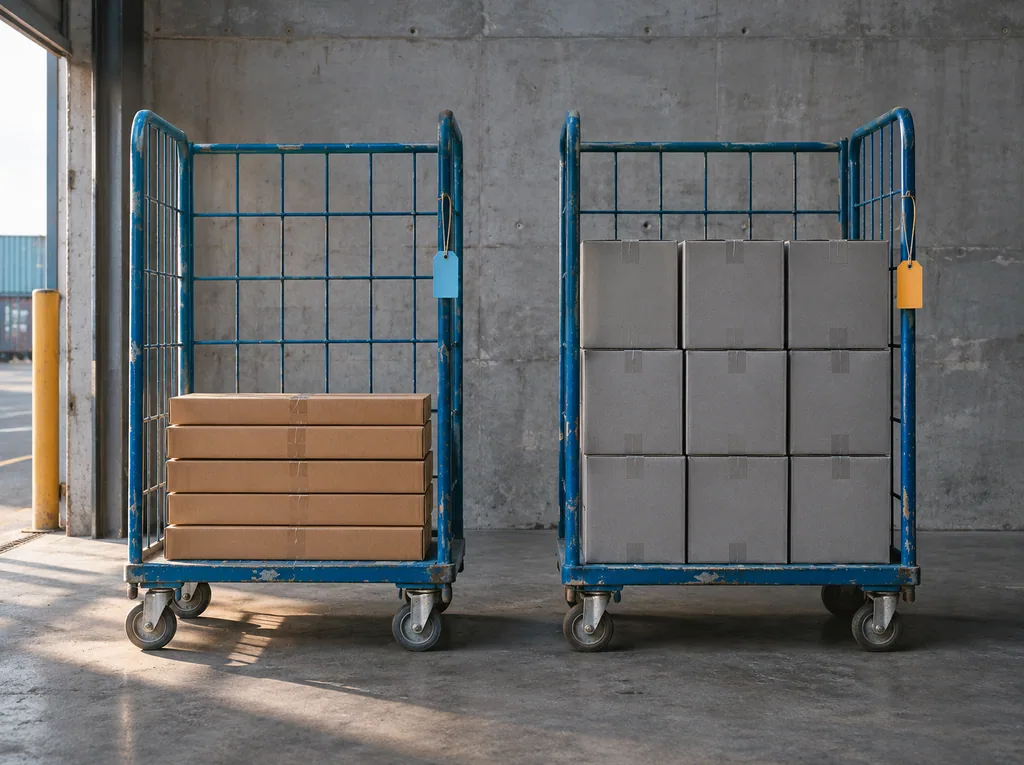
Suppose a seller has twenty cartons of the same item. Its inbound plan assigns twelve to one location and eight to another. The supplier keeps the groups separate and applies the corresponding box labels. The seller asks the destination carrier to quote each delivery using its own address and carton count.
| Assigned destination | Cartons | Before dispatch |
|---|---|---|
| Location A | 12 | Match each box to its shipment label. |
| Location B | 8 | Keep this group separate for final delivery. |
Give the ready date and package count for each supplier. Keep each carton tied to its supplier and assigned inbound shipment so the groups can be checked before departure.
The port arrival, final carrier delivery and Amazon receiving are different events. Check your inbound shipment status in Seller Central when planning replenishment.