Collection from a supplier
You and your supplier prepare the goods for the agreed date. Share the collection address and packed size so we can confirm pickup arrangements for that batch.

 Get a Quote
Buying from several factories? KFY can coordinate pickup or supplier delivery to a designated receiving point in China. Plan the first arrival, the last batch and the date you need to decide what ships together.
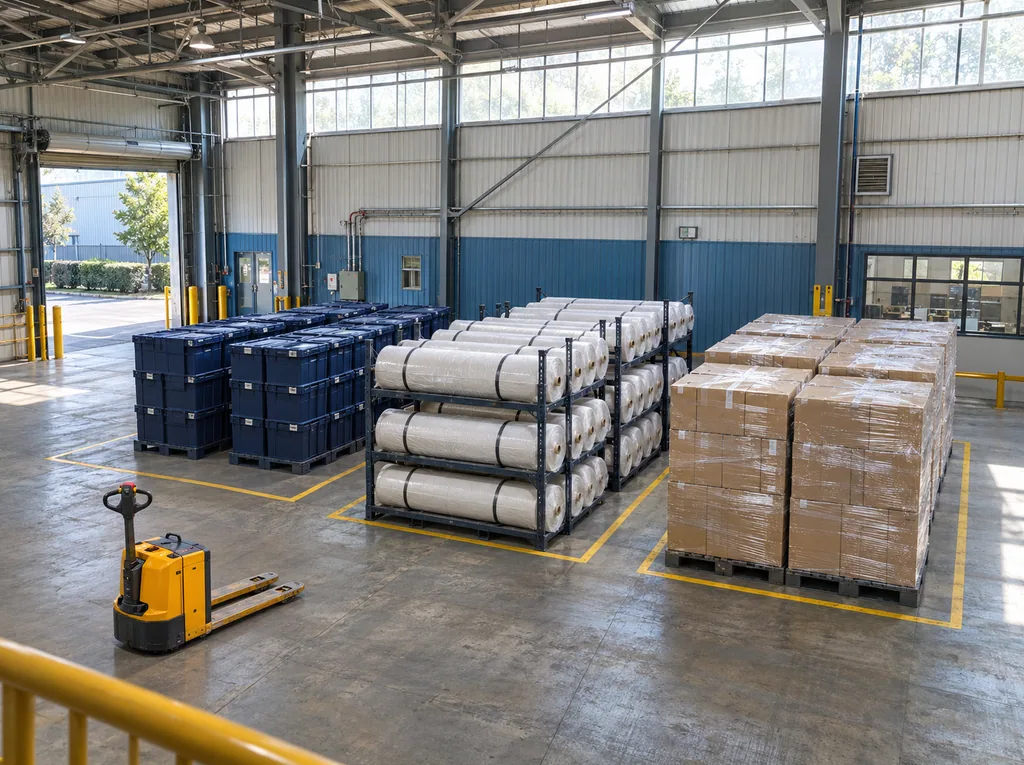
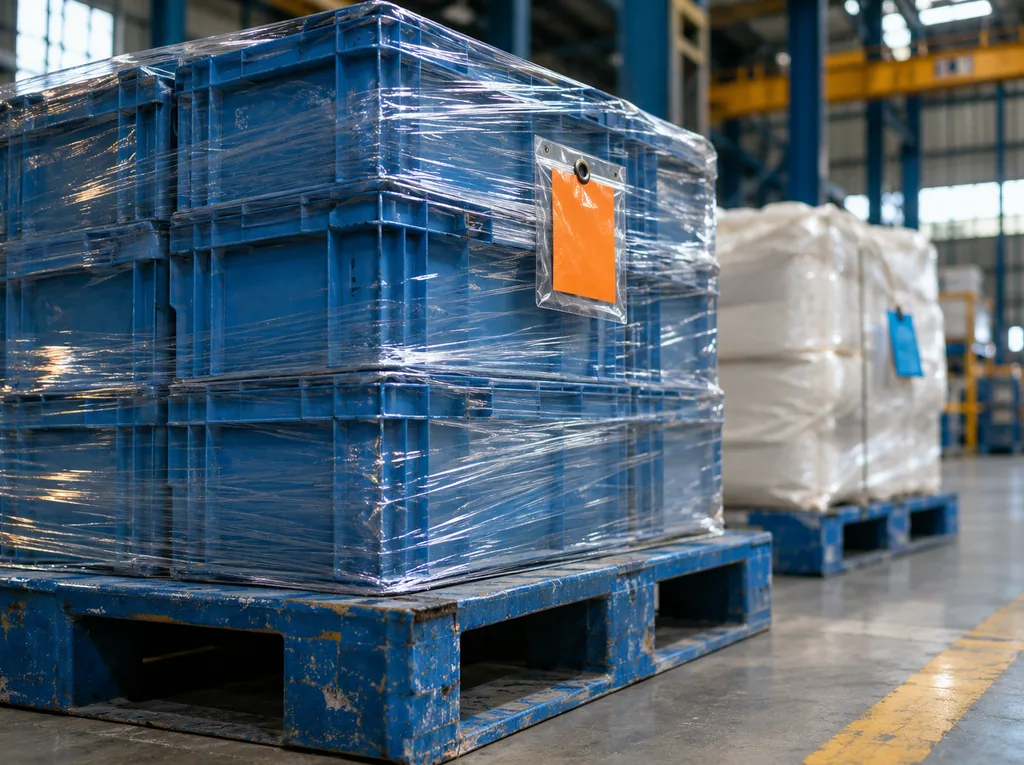
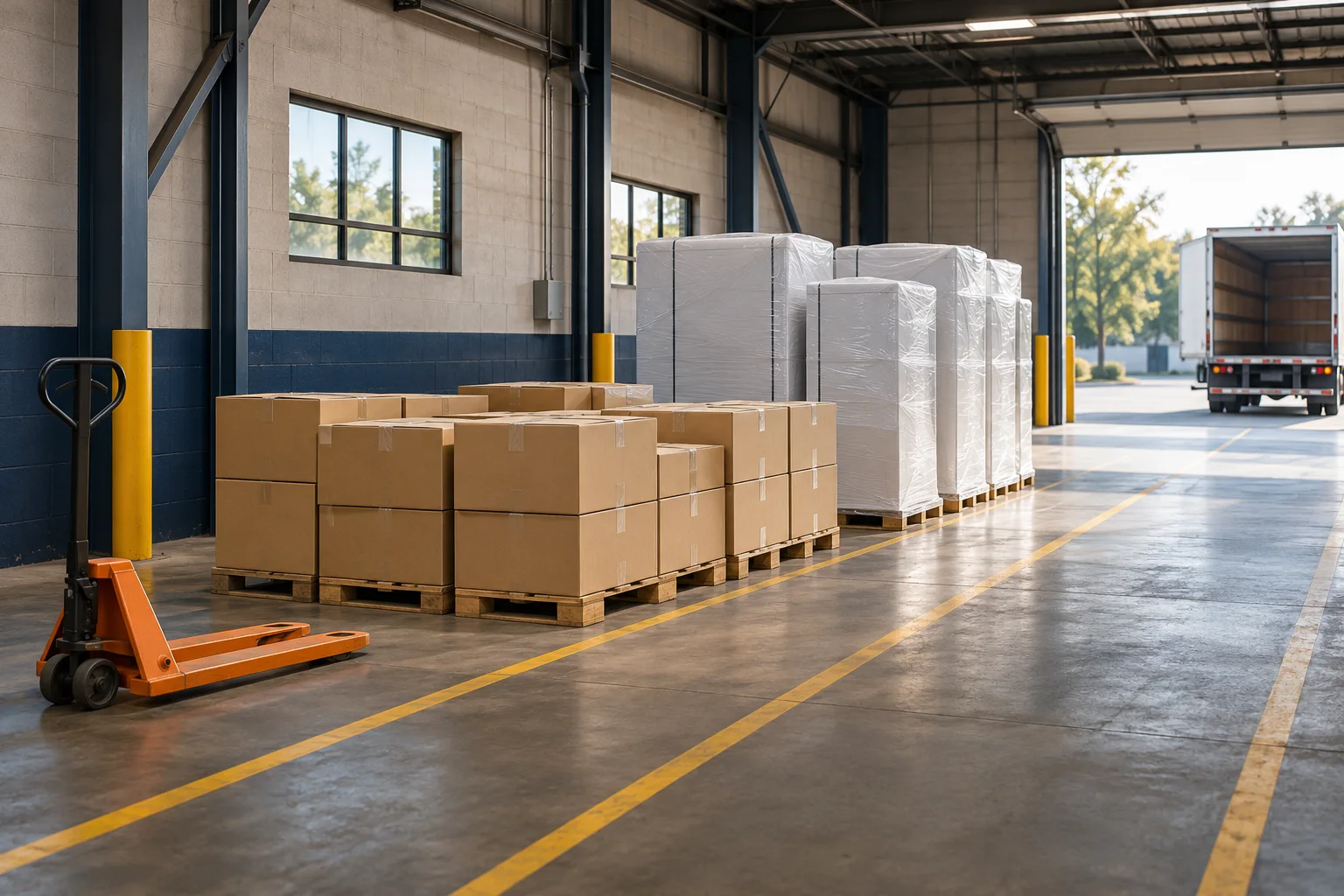
Two factories may both mark their first carton “1 of 10”. Ask them to add their own order or supplier reference. A receiving contact can then identify which delivery has arrived and which cartons are still at the factory.
For example, a pallet of fittings may be ready on Monday while the matching components are due the following week. Record both dates and identify whether either batch can ship independently.
Before the first batch moves, compare the cost of receiving and holding it with leaving it at the factory. If the second batch slips, decide whether to wait or release the goods already available.
Once you know the combined packed weight, dimensions and number of packages, compare FCL for a dedicated container with LCL for shared container space. Agree the destination port before dispatch.
Imagine a buyer ordering lamp bases and shades from two factories. The bases are ready first. Before releasing them, the buyer compares holding them at the factory with sending them to the designated warehouse. It agrees a decision date with both suppliers in case the shades are late.
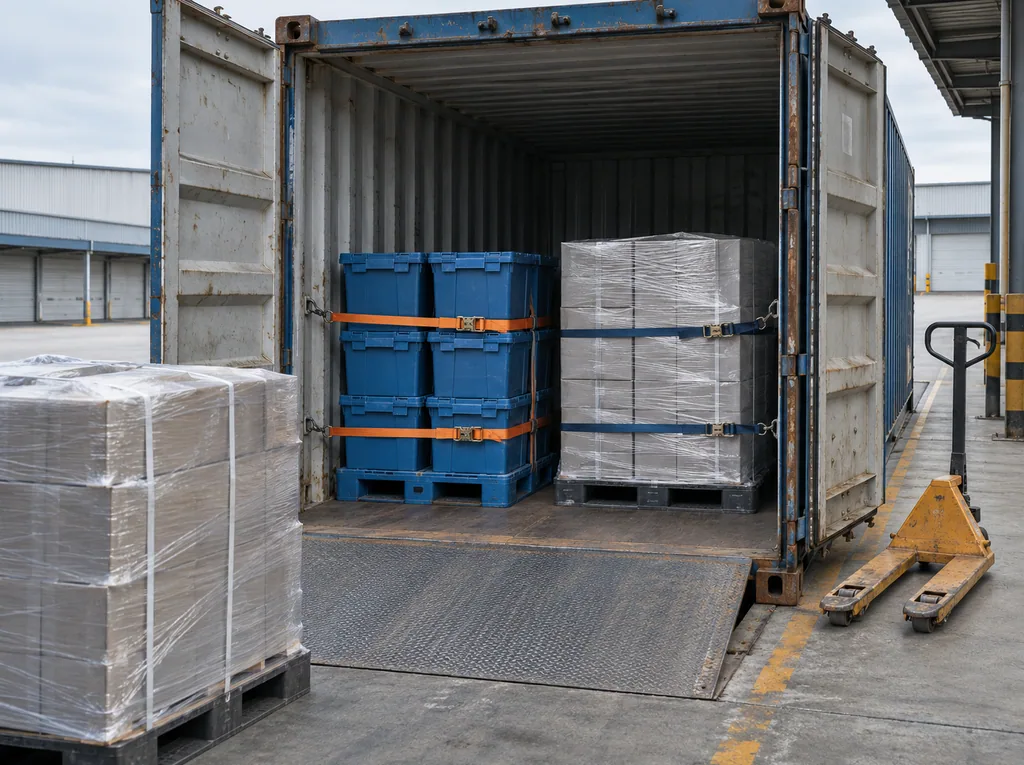
Use a purchase order reference your factory can mark on the packages. For example:
Supplier A, Ningbo · PO 1042 · ready 12 June · 8 cartons · supplier delivers to the agreed receiving point · hold for PO 1043 unless buyer authorises a split.
First agree the receiving address, timing and any costs while the first batch waits. Give the supplier the agreed instructions before authorizing dispatch.
You can combine several suppliers’ goods before either FCL or LCL shipping. The container choice depends on the combined shipment and how you want it to travel.
Specify the checks you need and get their scope and cost agreed separately. A shipment arriving at the receiving point does not establish that the products inside have been inspected.