Buying on DDP terms
Under DDP, the seller arranges carriage to the named place and takes responsibility for import clearance and applicable duties and taxes. Ask the seller how it will meet those obligations in the destination country.

 Get a Quote
With Delivered Duty Paid, the seller arranges carriage and import clearance and pays applicable duties and taxes. Start with the exact delivery point in the seller’s offer so you can see what its delivered price buys.

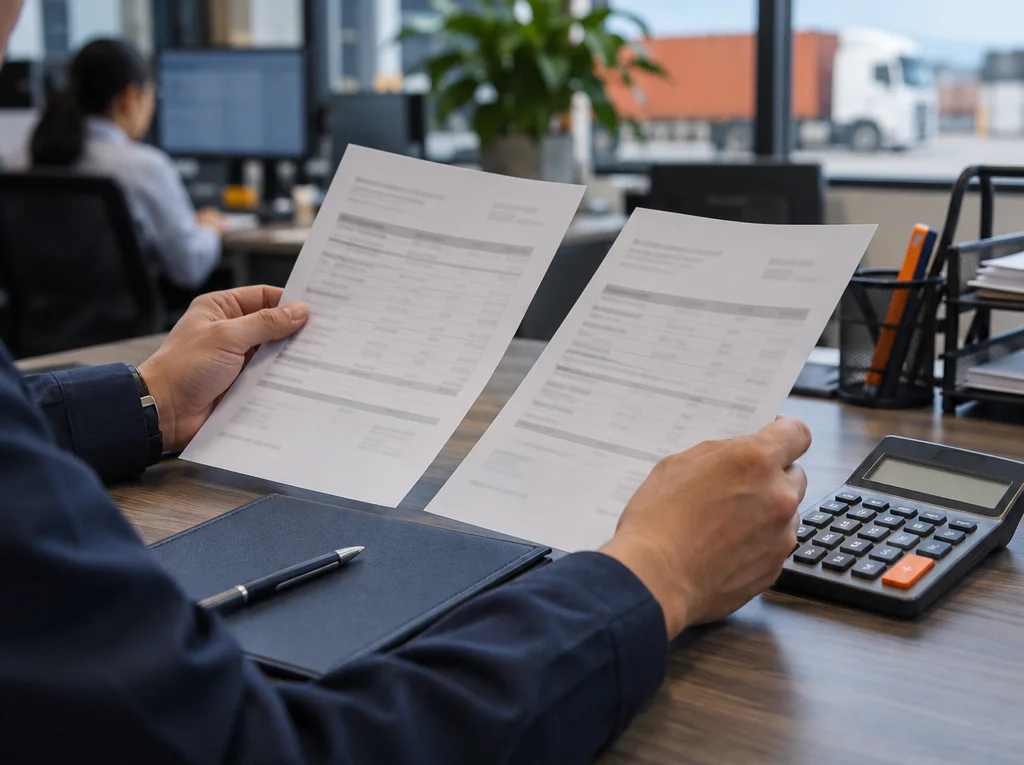
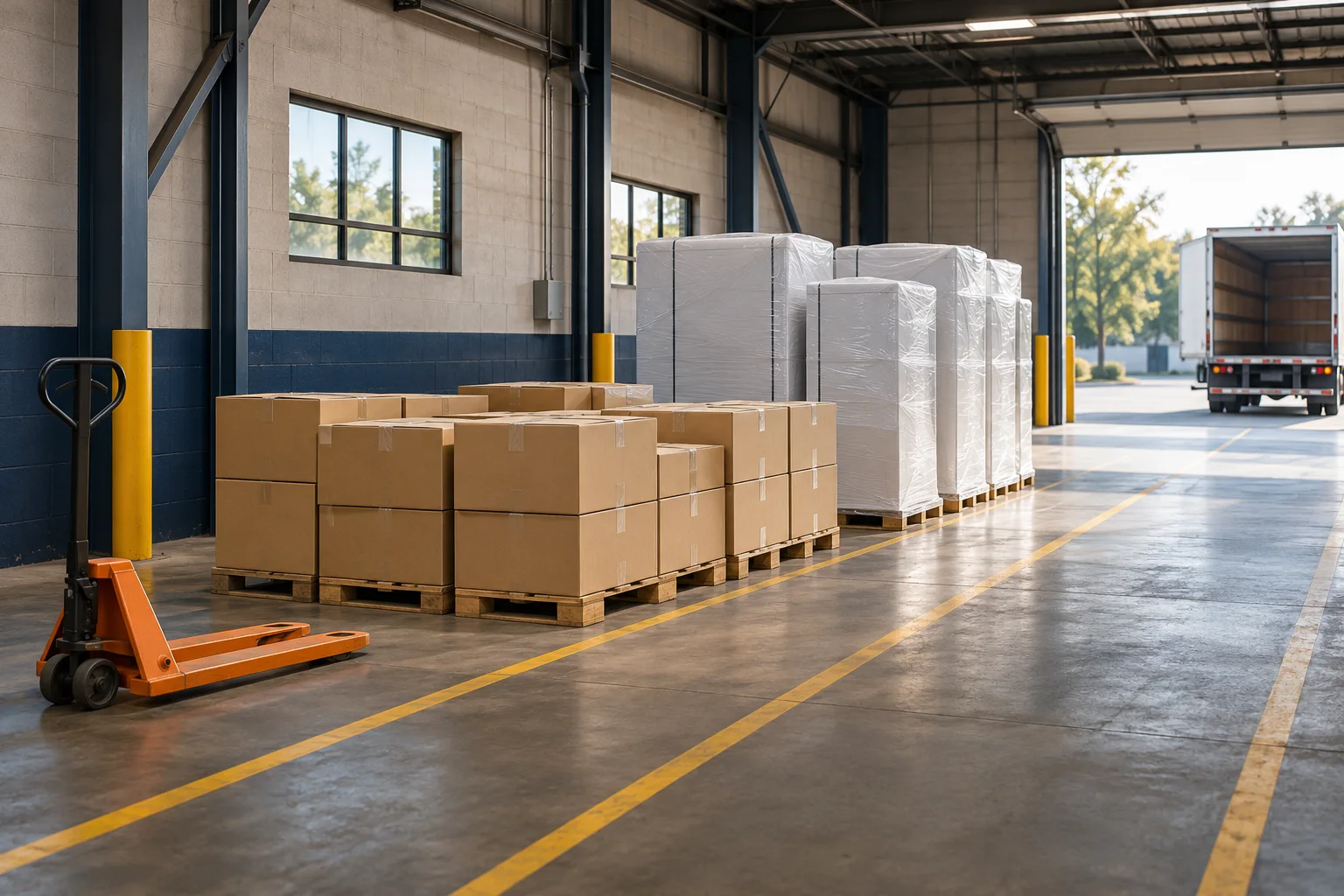
Ask the seller to identify the receiving point and how it will clear the goods for import. At that point the vehicle arrives ready for unloading. Check whether unloading costs were already included in the carriage contract before your warehouse books equipment or pays a second charge.
Record the actual terminal or receiving address in the purchase terms. A country or city alone can leave an inland journey unpriced.
Ask the seller to identify who will make the import declaration and how the applicable duties and taxes will be paid.
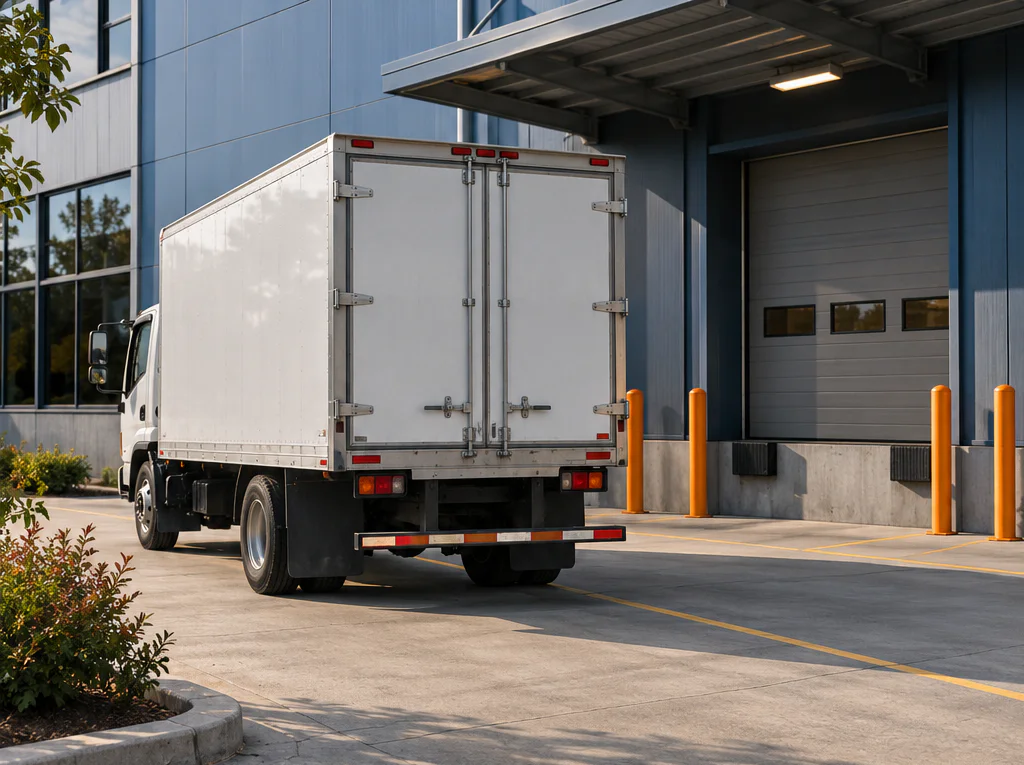
Set a receiving time and confirm unloading arrangements. Under DDP the seller delivers with the goods on the arriving vehicle, ready for the buyer to unload.
Suppose a lighting distributor receives a DDP offer for its distribution centre. The order names the street address, but trucks can unload only at Bay 4 by appointment. Add the bay to the order, ask the seller who will book the appointment and have the receiver arrange unloading.
| Task | DDP | DAP |
|---|---|---|
| Carriage to named place | Seller | Seller |
| Export clearance | Seller | Seller |
| Import clearance and duty | Seller | Buyer |
| Receive goods ready for unloading | Buyer | Buyer |
Ask the factory what transport it has already arranged. A second booking for the same leg can duplicate costs and make the handover unclear.
Resolve the import arrangements with the seller before dispatch. If the buyer intends to take responsibility for import clearance, discuss an appropriate change to the sale terms.