Supplier delivers to the agreed point
Your supplier prepares the goods. Confirm the receiving address and handover instructions for this shipment before the supplier dispatches a truck.

 Get a Quote
Name the loading port and discharge port to define the ocean leg. If your destination agent will take over there, agree where it will receive the cargo and which local charges it will handle.
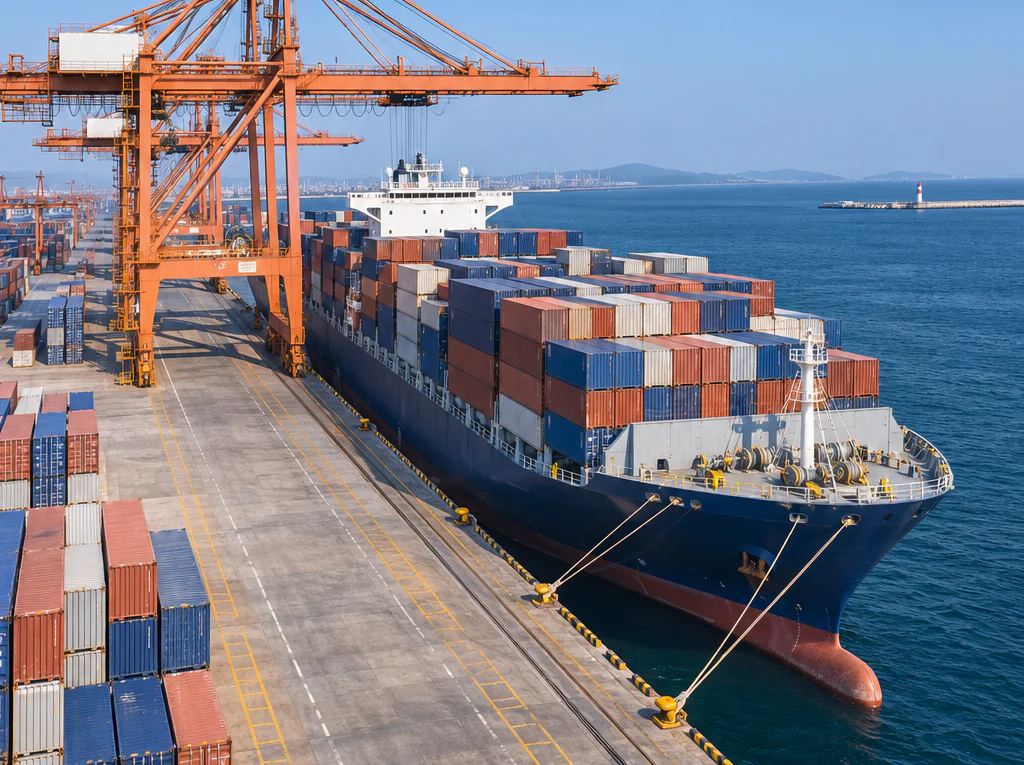
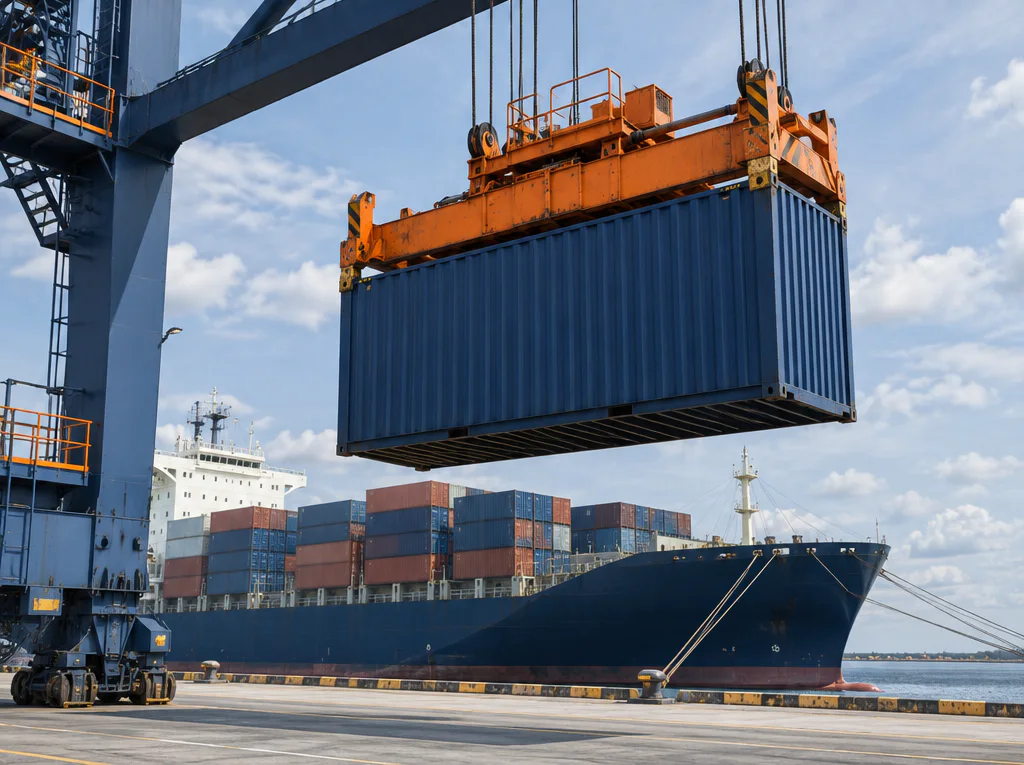
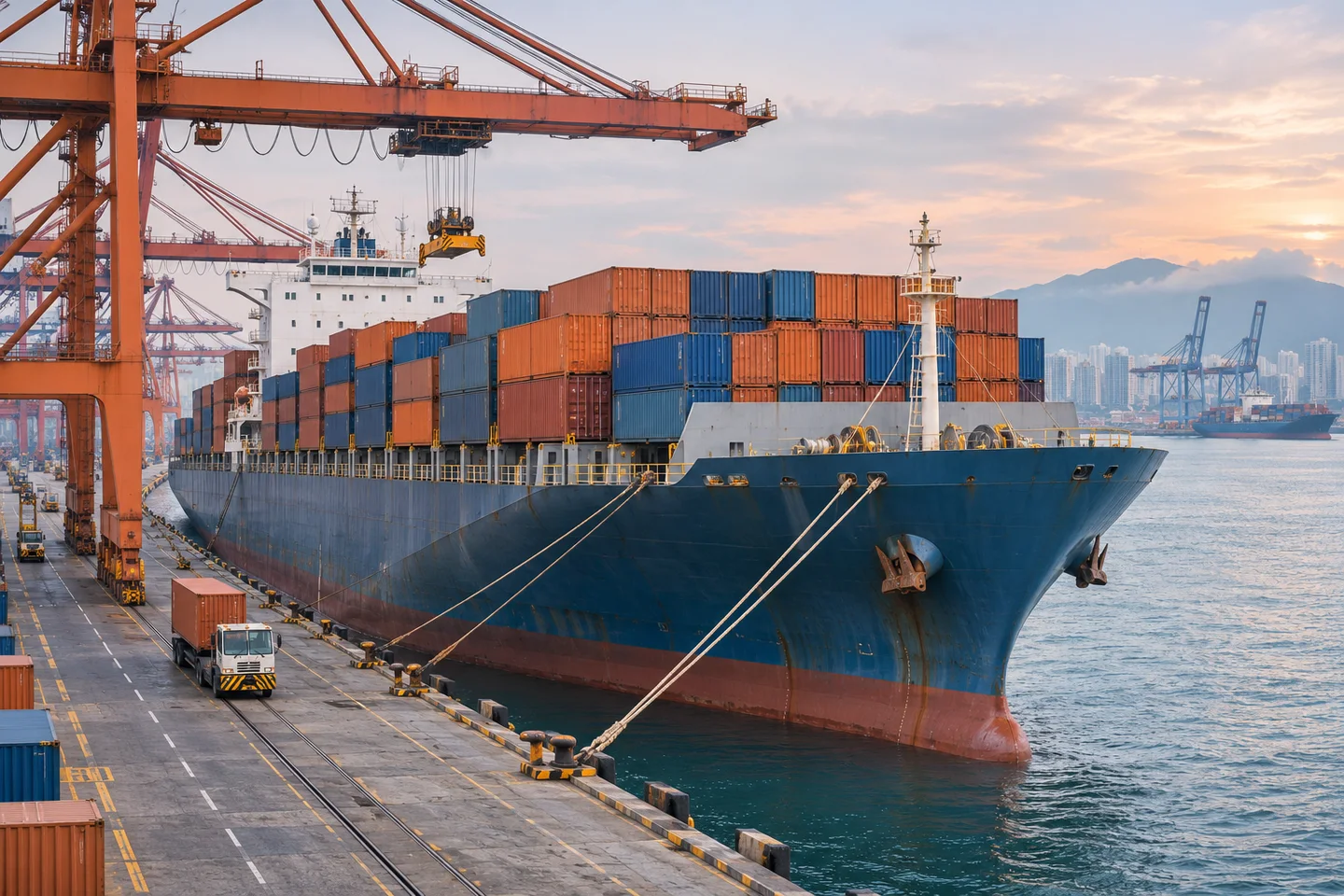
Give the destination agent the proposed port and shipment particulars before departure. Ask where it will receive the release instructions, who will settle outstanding terminal charges, and when a truck can collect. The pickup point for shared-container freight may differ from the container terminal.
For a full container, include the loading location and access. For part loads, send the package count and packed measurements so the LCL option can be assessed.
Name the requested ports and tell us if either is flexible. Check the proposed routing and the destination shown in the quote.
Check who pays local handling, who receives the arrival notice and who arranges release and collection. List any inland delivery separately.
Suppose an importer buys a full container of fittings and appoints a local agent to collect it. The origin quote names the discharge port. Before the vessel arrives, the agent checks the terminal, release requirements and local charges. It books the inland truck once collection is possible.
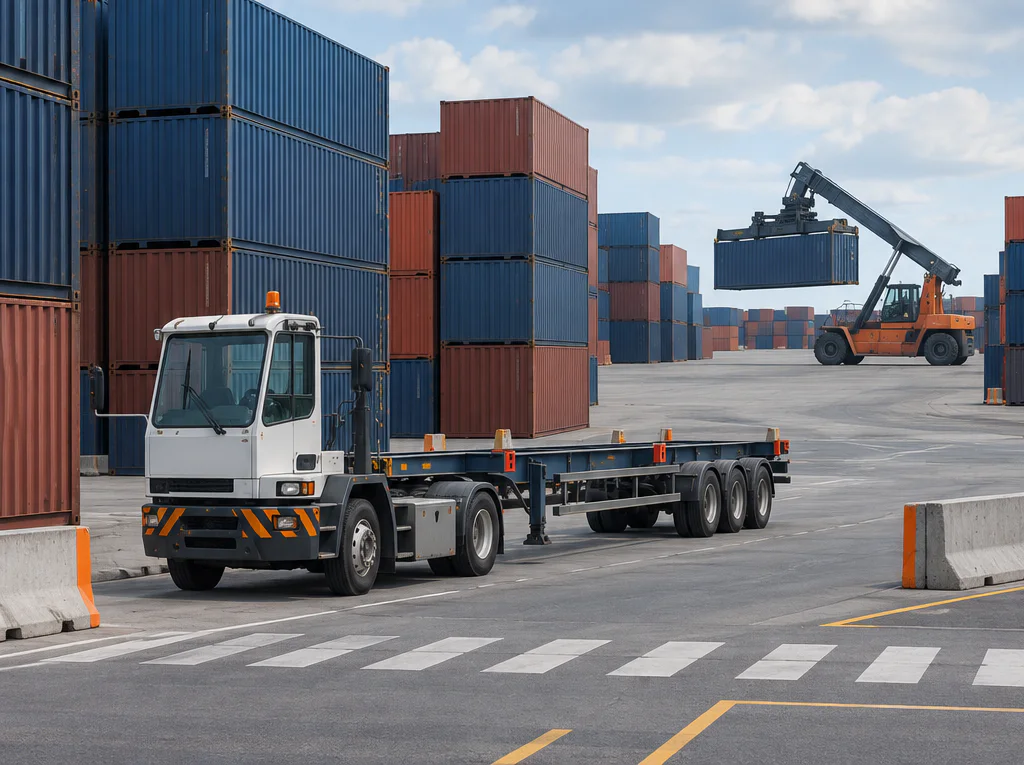
Yes. Give the city, the receiving port you prefer and the cargo details. The loading port and any collection arrangement can then be clarified for the quotation.
Vessel arrival and cargo release are separate events. Have your destination contact check release instructions, local charges and the collection point before sending a truck.