The buyer or supplier has a policy
Ask the policyholder for the covered journey, the goods it applies to and the party entitled to make a claim. Check the details against this order and its handover points.

 Get a Quote
Map the journey your goods will actually take before you discuss cover with your insurer. Include the factory pickup, any time spent waiting for other suppliers, and the point where your buyer takes delivery.

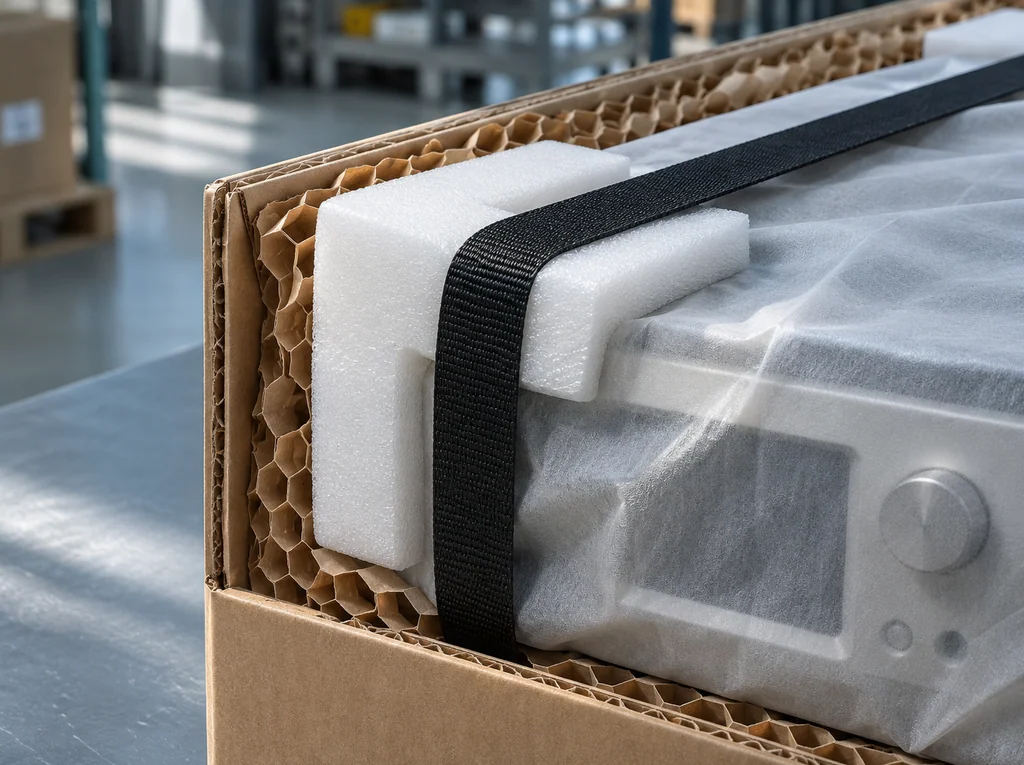
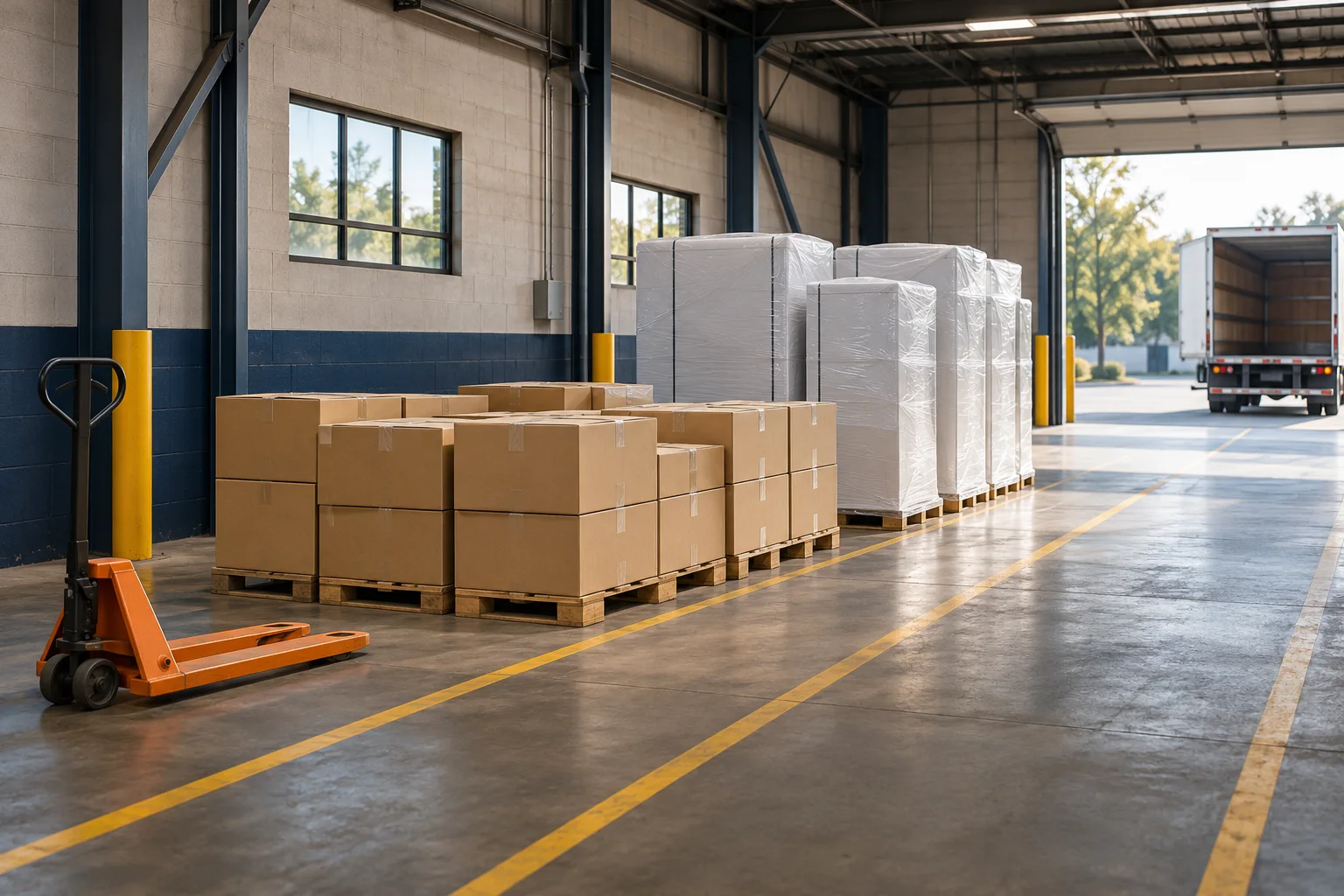
Show the insurer where the cargo will wait and who handles it at each transfer. Ask how the written cover applies to those stages and what record the receiver should make if the outer packaging arrives damaged.
List the pickup, any intermediate storage, the sea leg and any onward delivery. Ask the insurer to identify the start and end of cover against those points.
Ask about limits, the deductible, exclusions and any packaging requirements that affect these particular goods. For a used item, include its condition in the discussion.
Before dispatch, keep the written confirmation with the shipment reference. Record whom to notify and what evidence the insurer asks for if a loss or damage is discovered.
Suppose a receiver spots a crushed corner on a carton of light fittings. The receiver can record the carton reference, photograph its condition and contact the party named in the policy for instructions. The insurer assesses the facts against the policy terms.

Ask who holds the policy, which goods and journey are listed, and whom the buyer should contact about damage. Compare the covered endpoint with the place you expect to receive the cargo.
Tell the insurance provider the location and revised waiting period before extending the storage arrangement. Ask how that change affects cover for the first batch.